✉️ [email protected] | 📞 +971-4-2675252

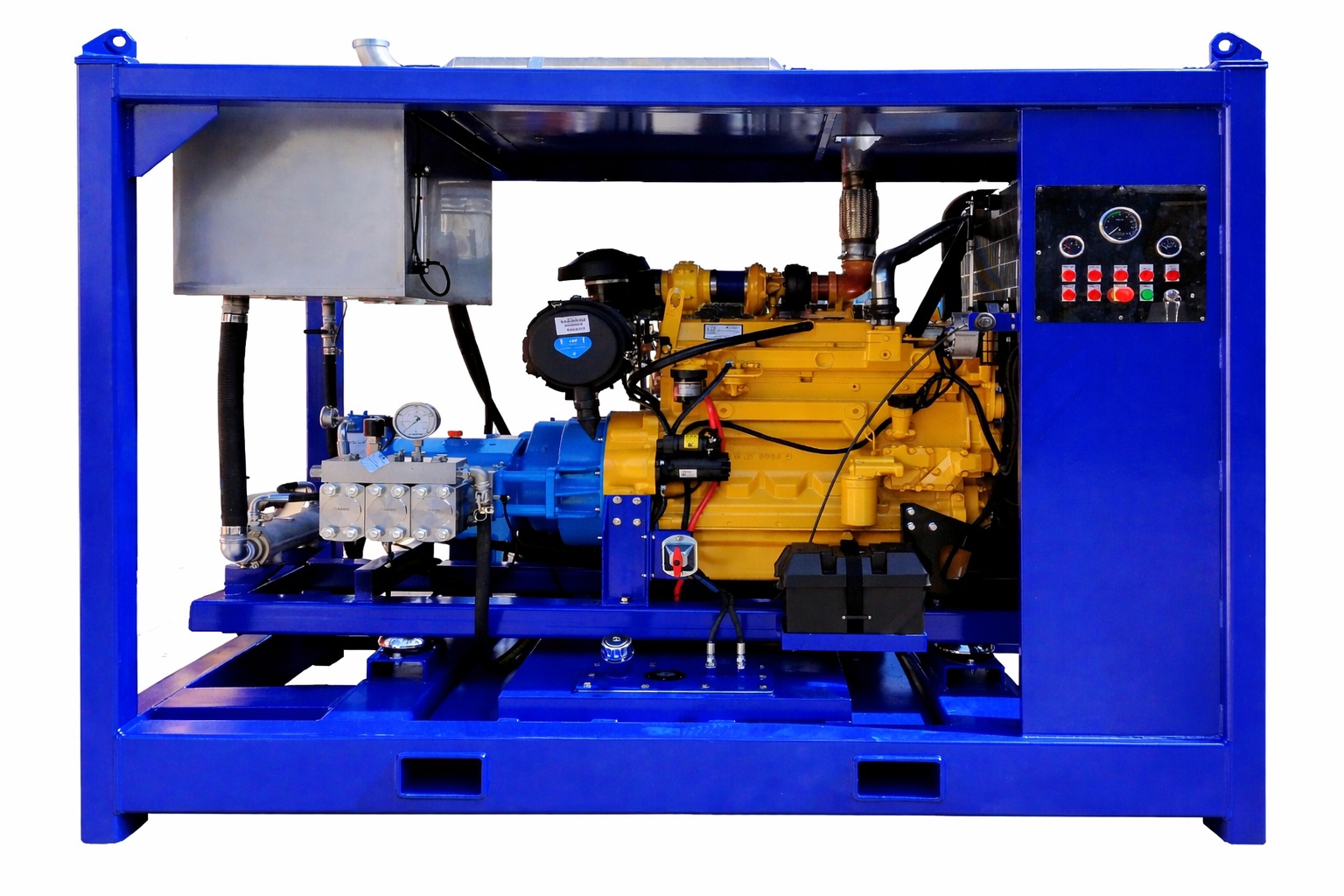

Selecting the right high pressure pump selection approach is a critical decision for industries where reliability, efficiency, and performance are essential. A proper high pressure pump selection process ensures the system matches the required flow rate, pressure, fluid characteristics, and operating environment.
A common mistake is selecting a pump based only on maximum pressure or flow capacity. A properly selected high-pressure pump must be matched with the complete operating requirements, including flow rate, pressure, fluid characteristics, power source, and environmental conditions.
At Al Khamis Equipment’s LLC, we design and supply customised high-pressure pumping solutions for demanding industrial applications, ensuring each system delivers reliable performance under challenging operating conditions.
1. Understand Your Required Flow Rate
Flow rate is one of the most important factors when selecting a high-pressure pump. It defines the volume of fluid the pump needs to move within a specific time period and is usually measured in cubic metres per hour (m³/hr).
Selecting an incorrect flow capacity can create several problems:
- An undersized pump may not achieve the required performance.
- An oversized pump may consume unnecessary power and increase operating costs.
- Incorrect sizing can result in reduced efficiency and increased mechanical wear.
Before selecting a pump, it is important to determine:
- Required flow capacity
- Operating hours
- Peak flow requirements
- System demand variations
For applications such as pipeline flushing and commissioning, both flow and pressure must be carefully balanced to achieve effective operation.
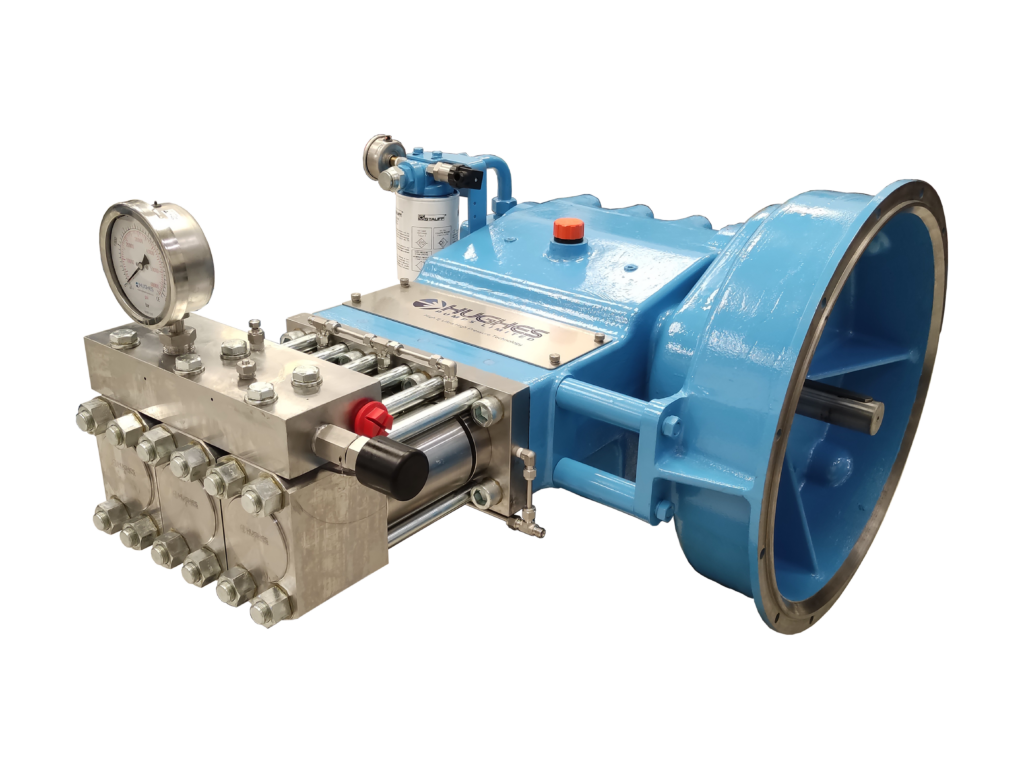
- Flow : 44lpm
- Pressure : 2800 bar
- Power : 160 kw
2. Determine the Required Pressure
Pressure requirements vary significantly depending on the application. A pump used for industrial cleaning may require different pressure characteristics compared to a pump used for pipeline hydrostatic testing or pigging operations.
When selecting a high-pressure pump, consider:
- Required discharge pressure
- Pipeline length and diameter
- Pressure losses within the system
- Operating conditions
Applications such as:
✅ Pipeline Flushing
✅ Pipeline Commissioning
✅ Hydrostatic Testing
✅ Pigging Operations
✅ Industrial Cleaning
often require carefully engineered pumping systems capable of maintaining stable pressure during continuous operation.
A pump with insufficient pressure capability may fail to achieve the required results, while excessive pressure capacity can lead to unnecessary energy consumption and higher equipment costs.
3. Consider the Fluid Being Pumped
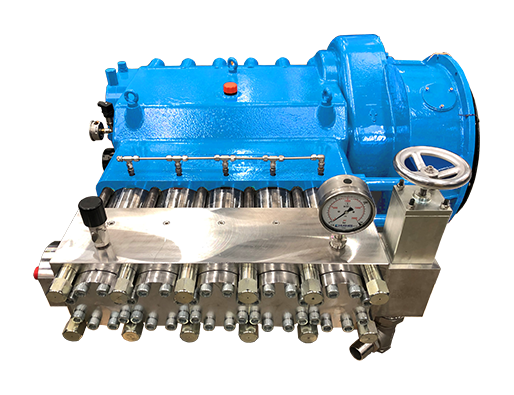
The type of fluid being handled plays an important role in pump selection. Different fluids have different characteristics that affect pump performance, including:
- Viscosity
- Temperature
- Chemical properties
- Presence of solids or debris
- Corrosiveness
For example, pumping clean water requires different material considerations compared to handling fluids containing chemicals, abrasive particles, or contaminants.
Selecting suitable materials for:
- Pump casing
- Impellers
- Mechanical seals
- Internal components
helps improve reliability and extend service life.
4. Select the Appropriate Power Source
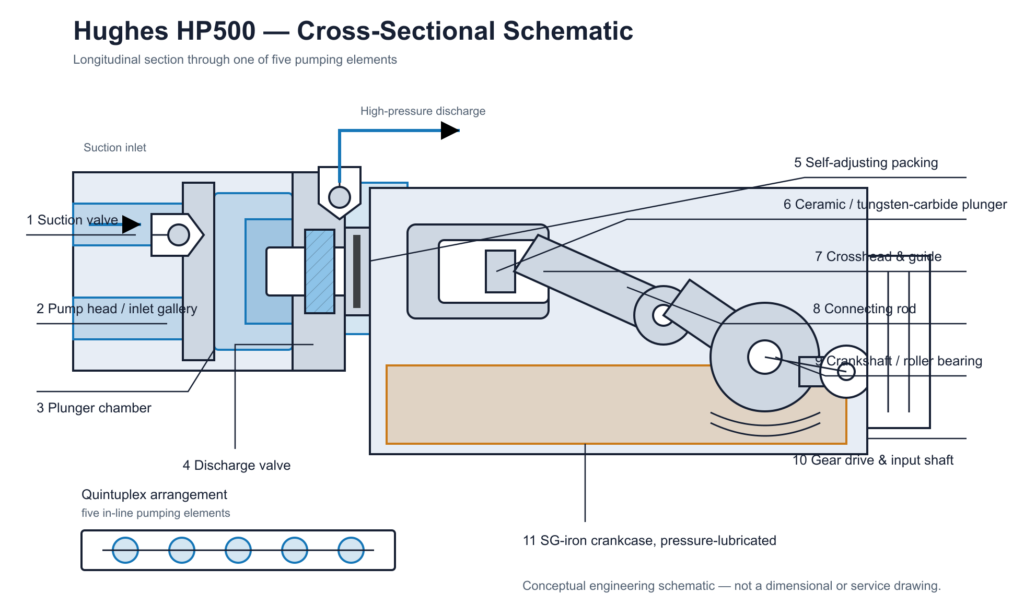
The power source is another important consideration when designing a high-pressure pumping system.The most common options include:
Diesel-Driven Pump Packages
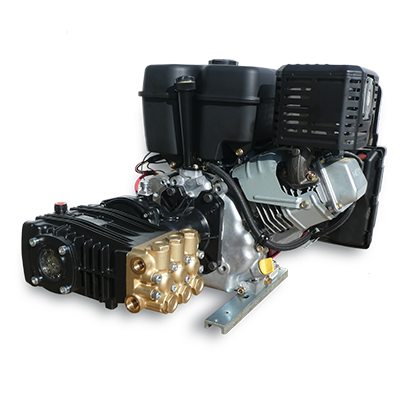
Diesel-driven systems are commonly used for:
- Remote locations
- Offshore operations
- Emergency pumping applications
- Sites without reliable electrical power
Advantages include:
- High mobility
- Independent operation
- Flexibility in challenging environments
Electric-Driven Pump Systems
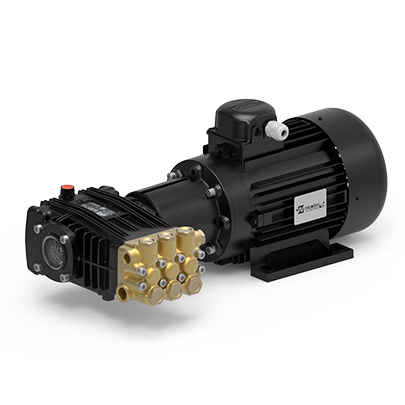
Electric-driven pumps are suitable for:
- Permanent installations
- Industrial facilities
- Locations with stable electrical supply
Advantages include:
- Lower operating emissions
- Reduced maintenance requirements
- Efficient continuous operation
The correct power source depends on the application environment, operating requirements, and available infrastructure.
5. Consider Safety Requirements and Industry Compliance
For industries such as Oil & Gas, Marine, and Energy, safety compliance is a major consideration during pump selection.
Depending on the operating environment, high-pressure pump packages may require additional safety features such as:
- Zone 2 compliance
- Spark arrestors
- Air intake shut-off valves
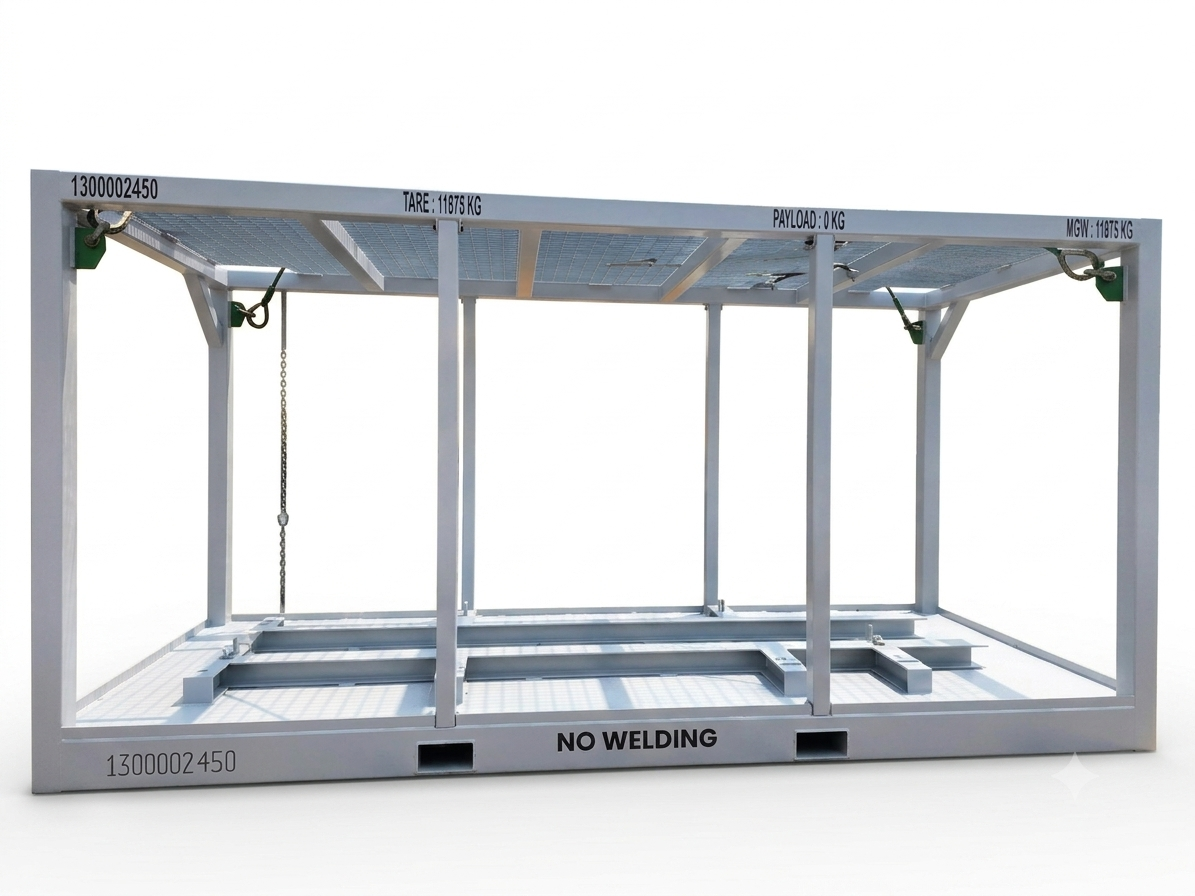
- Certified lifting frames
- Offshore-rated skids
For offshore and hazardous environments, certifications such as DNV 2.7-1 provide confidence that equipment has been designed and manufactured to meet demanding transportation and operational requirements.
Selecting a compliant pumping system helps improve workplace safety and ensures alignment with project specifications.
The Right Pump Is More Than Just Pressure and Flow
Choosing the correct high-pressure pump is not about selecting the largest capacity available. The best solution is one that balances:
✔ Performance
✔ Reliability
✔ Efficiency
✔ Safety
✔ Long-term operating cost
Every application has unique requirements, and a properly engineered pumping system ensures dependable performance when it matters most.
At Al Khamis Equipment’s LLC, we provide customised high-pressure pumping solutions designed for pipeline, marine, Oil & Gas, and industrial applications.
From pump selection and engineering to assembly and testing, our team works closely with customers to deliver complete pumping packages built for demanding environments.
Need Assistance Selecting the Right High-Pressure Pump?
Choosing the correct pumping system can be challenging without proper engineering evaluation.
Our team can support you with:
- Pump selection
- Flow and pressure calculations
- Diesel-driven pumping packages
- Custom skid-mounted systems
- Industrial and marine applications
Contact our engineering team to discuss your next high-pressure pumping requirement.