✉️ [email protected] | 📞 +971-4-2675252


Introduction
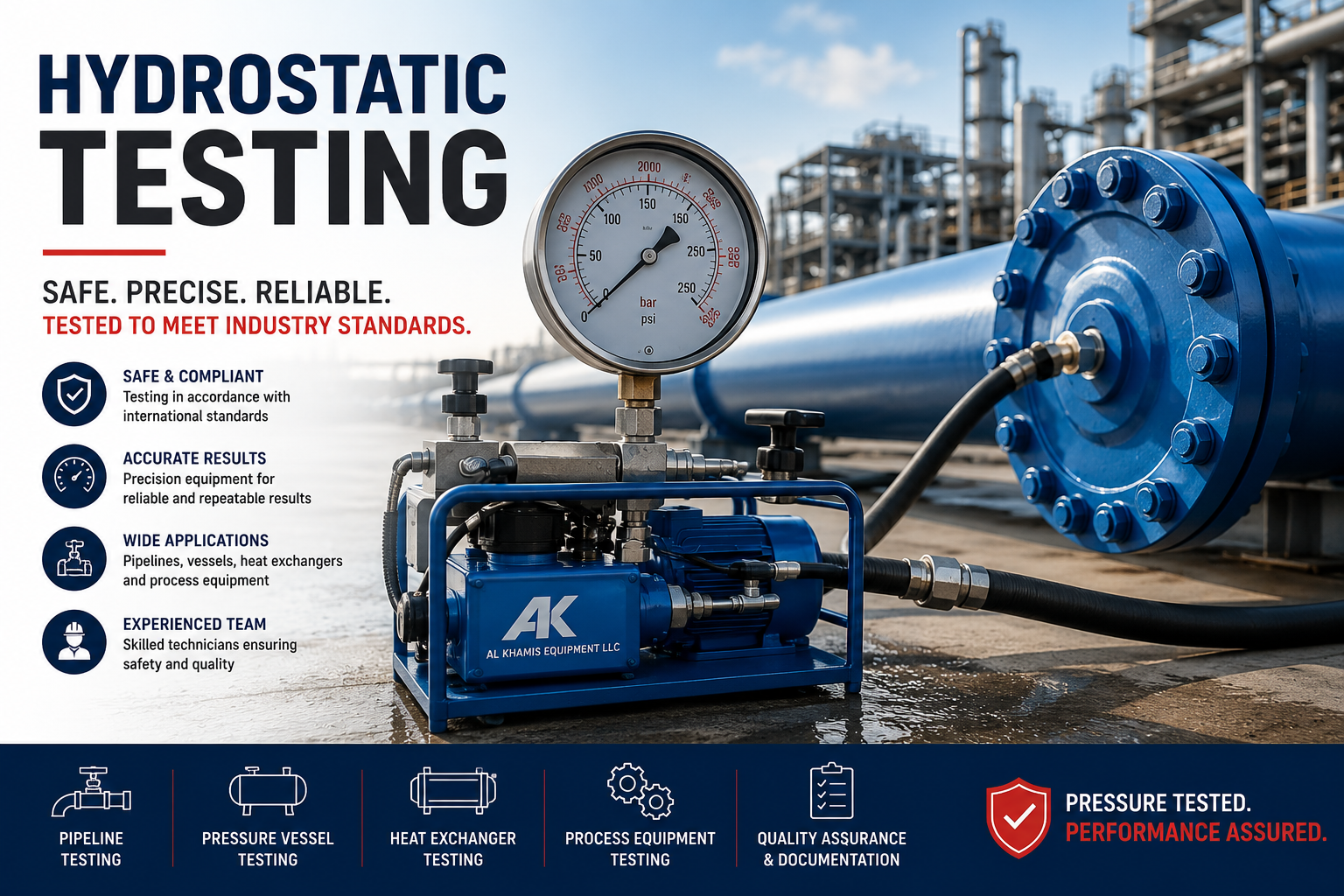
If you are wondering what is hydrostatic testing, the simple answer is that it is a pressure test used to check whether a pipe, vessel, or other equipment can safely hold pressure without leaking or failing.
Hydrostatic testing is an important part of many industries. It helps companies find weak points before equipment is put into service. As a result, it improves safety, reduces the risk of failure, and helps prevent costly repairs.
In this article, you will learn what is hydrostatic testing, how it works, why it is important, and where it is commonly used.
What Is Hydrostatic Testing?
Hydrostatic testing is a method of testing equipment by filling it with water or another suitable liquid. Then, the pressure is increased to a level that is higher than the normal operating pressure. After that, inspectors check the equipment for leaks, pressure loss, or any signs of damage.
Because water cannot be compressed easily, it is much safer to use than air or gas for pressure testing. Therefore, hydrostatic testing is one of the safest ways to confirm that pressure equipment is ready for use.
In simple words, hydrostatic testing checks whether equipment can safely handle pressure before it starts operating.
How Does Hydrostatic Testing Work?
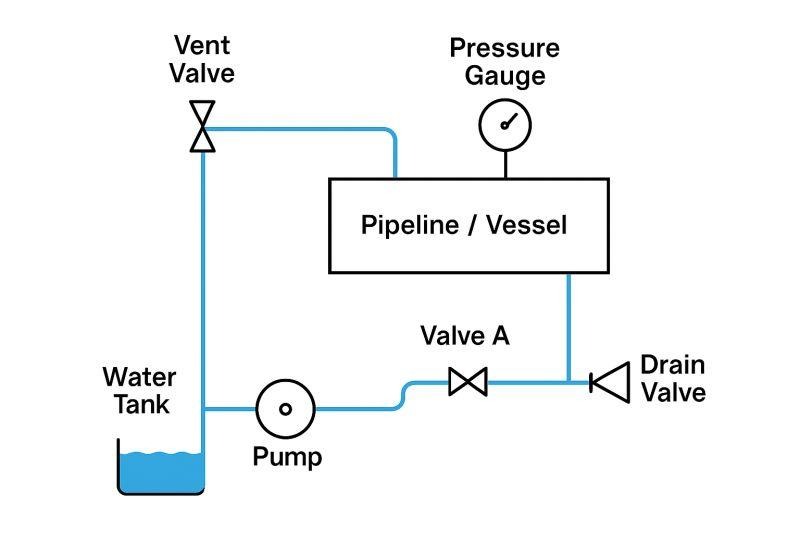
Although the process may vary depending on the application, the basic steps are usually the same.
1. Inspect the Equipment
First, the equipment is carefully inspected. Any visible damage, loose fittings, or worn parts are repaired before testing begins.
2. Fill the System with Water
Next, the pipe, tank, or vessel is filled completely with water. At the same time, trapped air is removed because air can affect the test results.
3. Increase the Pressure
After the system is full, a high-pressure pump slowly increases the pressure to the required test level. This pressure is usually higher than the equipment’s normal working pressure.
4. Hold the Pressure
The pressure is then maintained for a specific period. During this time, inspectors monitor the pressure and look for leaks or pressure drops.
5. Check the Results
Finally, the system is inspected once again. If there are no leaks, pressure loss, or permanent changes, the equipment passes the hydrostatic test.
Why Is Hydrostatic Testing Important?
Hydrostatic testing offers many important benefits. Most importantly, it helps make sure that equipment is safe before it is used. Hydrostatic testing can also form part of inspection and safety requirements established by recognized industry organizations such as ASME.
Some of the main advantages include:
- Improves workplace safety.
- Detects leaks before operation.
- Finds weak points in equipment.
- Confirms pressure strength.
- Helps meet industry standards.
- Reduces the chance of unexpected failures.
- Lowers maintenance and repair costs.
- Increases equipment reliability.
- Extends equipment service life.
Because of these benefits, hydrostatic testing is often required before new systems begin operating and after major repairs.
Where Is Hydrostatic Testing Used?
Hydrostatic testing is used in many industries where equipment operates under pressure. Depending on the required pressure and flow, different types of industrial pumps can be used for testing applications. Multistage centrifugal pumps are another option for applications that require high pressure and continuous flow. In the oil and gas industry, hydrostatic testing is commonly used as part of pipeline inspection and testing procedures. Industry standards from organizations such as API provide guidance for different aspects of pipeline and equipment safety.
Common applications include:
- Oil and gas pipelines
- Water pipelines
- Pressure vessels
- Storage tanks
- Heat exchangers
- Boilers
- Fire protection systems
- Industrial piping systems
- Chemical processing plants
- Marine and offshore equipment
Since these systems often operate under high pressure, regular testing helps keep them safe and reliable.
Why Are High-Pressure Pumps Important for Hydrostatic Testing?
A high-pressure pump is one of the most important parts of a hydrostatic testing system. It supplies the pressure needed to test the equipment safely and accurately. For high-pressure applications, plunger pumps can provide the pressure and flow needed for reliable testing.
A reliable hydrostatic testing pump should provide:
- Stable pressure during the test
- Accurate pressure control
- Reliable performance
- Long service life
- Easy maintenance
- Safe operation
Choosing the right pump also helps achieve accurate test results while reducing downtime.
When Should Hydrostatic Testing Be Performed?
Hydrostatic testing is commonly carried out in several situations, including:
- Before new equipment is put into service
- After major repairs
- After replacing important parts
- Before restarting equipment after long storage
- During scheduled maintenance
- To meet inspection or regulatory requirements
Regular testing helps identify problems early, which can save both time and money.
Common Problems Found During Hydrostatic Testing
Hydrostatic testing can reveal problems that may not be visible during a normal inspection.
Some common issues include:
- Small leaks
- Cracked welds
- Damaged seals
- Weak pipe sections
- Faulty valves
- Pressure loss
- Loose fittings
Finding these problems before the equipment is used helps prevent serious failures later.
Safety Tips During Hydrostatic Testing
Although hydrostatic testing is safer than pneumatic testing, proper safety procedures should always be followed.
Important safety practices include:
- Use the correct test pressure.
- Remove all trapped air.
- Use calibrated pressure gauges.
- Keep unnecessary personnel away from the test area.
- Inspect all hoses and connections before testing.
- Follow the relevant industry standards and procedures.
- Wear the required personal protective equipment (PPE).
Following these steps helps ensure a safe and successful test.
Conclusion
Understanding what is hydrostatic testing is essential for anyone working with pressure equipment. This testing method helps confirm that pipelines, pressure vessels, tanks, and other systems can safely operate under pressure.
Moreover, hydrostatic testing improves safety, reduces the risk of leaks and failures, and helps companies meet industry requirements. When combined with a reliable high-pressure pump and proper testing procedures, it provides confidence that equipment is ready for safe and dependable operation.
Whether you work in the oil and gas, marine, industrial, or water sector, hydrostatic testing remains one of the most effective ways to protect equipment, reduce downtime, and improve long-term reliability.